






Health


Share
Published 16:17 7 Aug 2025 BST
Updated 14:31 8 Aug 2025 BST
 Add us as a preferred source on Google »
We've been dealing with periods since our teenage years, but they only seem to get worse as we get older.
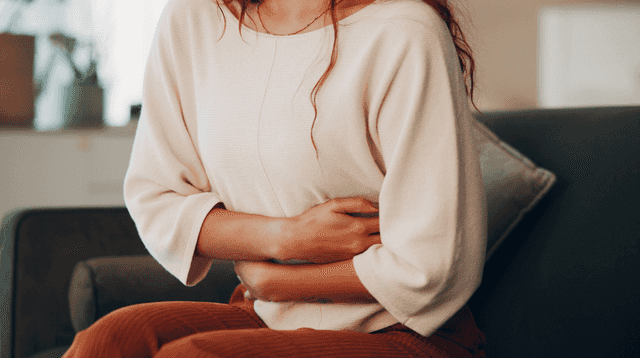
You never quite get used to the immense pain or the wave of symptoms your period brings every month. It's something many of us simply have to cope with monthly.
Many of us will agree that the second day of your period can often knock you for six. You may think day one will be the worst, but there's something about day two that feels immensely worse.
If, like us, you're often found curled up in a ball with the worst cramps on day two, then there's actually a scientific reason why.
In an interview with Metro, Dr Fatema Mustansir Dawoodbhoy, an academic doctor specialising in obstetrics and gynaecology, explained why day two is so much worse for many women.
She explained that a lot of it has to do with your hormone levels.
She said the hormone-like chemicals prostaglandins increase when your progesterone levels lower.
"As the lining of your uterus breaks down, prostaglandins (hormone-like chemicals) are released in the body."
"The prostaglandins also constrict the blood vessels in the uterus, reducing the amount of oxygen the uterine tissue receives, and this leads to cramping and pain."
The number of prostaglandins peaks on day two of your period, which is why your symptoms often worsen.
The struggle really never ends, does it?

Health
Health

Health
Health
New scan technology could reduce diagnostic time for endometriosis
Endometriosis impacts one in 10 women in Ireland For thousands of women across the globe, getting an endometriosis diagnosis can take several years of scans, appointments and invasive surgeries. However, researchers at Oxford University have developed a new scan technique which may help spot the lifelong condition sooner. The technique uses specialised CT scans, which […]
Health
1 week ago
Doctor warns that new Gen-Z anti-sunscreen trend could be deadly
A doctor is warning against this anti-sunscreen TikTok trend that Gen-Z are hopping on A concerning anti-sunscreen trend sees the younger generation encouraging others to ditch sun cream and instead opt for natural alternatives or go without any protection against the sun at all. The hashtag #antisunscreen has been doing the rounds with many “wellness […]
Health
2 weeks ago
Health
Health